
- By admin-theme
- Uncategorized
- 0 Comment
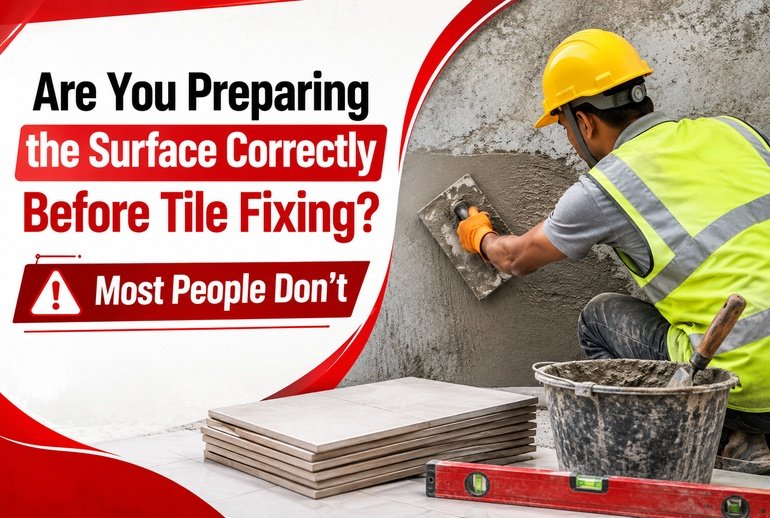
Are You Preparing the Surface Correctly Before Fixing the Tiles? Most People Don’t
While it may seem like a basic, no-big-deal job, the key to a successful tiled surface lies in what occurs before the installation of the first tile. Many homeowners focus on choosing the right tiles and design, but neglect to prepare the surface before installing them. Research by construction professionals indicates that many failures are due to inadequate preparation of the underlayment surface.
Importance of Surface Exploration
A properly prepared surface provides an excellent bond between tile adhesive and the surface. If not installed with care, tiles can crack, become loose, echo, or simply come loose over time. Surface preparation before installing tile is important, regardless of whether it is a floor, wall, bathroom, kitchen, or outdoor space.
Effect of Failure to Prepare the Surface
Here are some typical errors people make before installing tiles.
1. Not Cleaning the Surface Properly
Adhesives can be inhibited from forming an effective bond by dust, grease, paint residue, and loose particles. The surface should be thoroughly wiped clean and dry before laying the tiles.
2. Ignoring Surface Levelling
When the base is uneven, gaps may form under the tiles, leading to poor adhesion and cracking. One of the most crucial steps in surface preparation before tile installation is surface levelling.
3. Tiles on damp surfaces
The adhesive bond may be weakened by excess moisture. Before starting the tile installation, ensure that the substrate is damp.
4. Skipping Crack Repairs
Cracks, although small, can grow and damage the tiled surface. In a professional tile-fixing task, fixing cracks is a crucial step.
Steps for Good Surface Preparation
1. Check the Base Surface.
Pre-installation assessment of the tile installation substrate for cracks, levelling issues, potential contamination, and moisture problems.
2. Ensure Surface Flatness
A level and stable base is recommended for construction to promote optimal tile performance. Surface irregularities should be corrected before the tile-fixing operation.
3. Remove Dust and Debris
Cleaning assures maximum adhesive strength. Cleaning with a vacuum or washing can greatly enhance bonding.
4. Use the Right Primer
Some surfaces, such as concrete or gypsum board, may need to be primed. Correctly applied, the right kind of primer will promote adhesion and long-term tile life.
5. Check Moisture Levels
Properly waterproof bathrooms, balconies, and other wet areas before tile is installed to prevent future damage.
Advantages of Proper Preparation
Correct surface preparation before fixing tiles to the floor will ensure years of longevity, reduced maintenance requirements, and an attractive finished result. Proper preparation also improves adhesive properties, minimises tile movement, and reduces the risk of cracking and hollow spots.
Conclusion
This is because many tile issues can be attributed to inadequate surface preparation before tile installation. The process of cleaning, levelling, checking and fixing the substrate is a sound investment for a successful tile installation. The extra time and money invested in getting the job right before laying tile can save a lot of time, money and frustration afterwards.
With a focus on quality construction materials and reliable tile installation solutions, Rock Build recognises the importance of proper surface preparation and industry-recommended practices,that help create durable, long-lasting tiled surfaces.
FAQs
1. Why is surface preparation important before tile fixing?
Proper surface preparation ensures strong adhesion between the tile and substrate, reducing the chances of cracks, hollow tiles, and premature failure. It also improves the overall lifespan and appearance of the tiled surface.
2. How clean should a surface be before tile installation?
The surface should be free from dust, grease, paint, oil, loose particles, and moisture. A clean substrate allows the adhesive to bond effectively and provides better long-term performance.
3. Can tiles be installed on an uneven floor?
Installing tiles on an uneven floor is not recommended. Surface levelling should be completed first to prevent tile cracking, poor alignment, and weak adhesive bonding over time.
4. Do I need a primer before tile fixing?
Some surfaces, including concrete, gypsum boards, and highly absorbent substrates, may require a primer. Using the correct primer improves adhesion and helps achieve a stronger tile bond.
5. What happens if moisture is present before tile installation?
Moisture can weaken adhesive performance and cause tile detachment, mould growth, or damage to the substrate. Proper waterproofing and moisture testing are important before starting tile fixing work.